
What Are Long-Tail Keywords?
Long-tail keywords are highly specific search queries that have a tendency to have quite low search volumes.
even though users search for them less continuously, long-tail keywords make up a big percentage of overall searches when added together.
The phrase “long tail” used to be at first used to describe the phenomenon that niche products on sites like Amazon tended to account for more total sales than the highest bestsellers.
As it turns out, the similar thing occurs with keywords that people type into search engines like google.
if truth be told, the term “long tail” refers to the “tail” at the top of a curve.
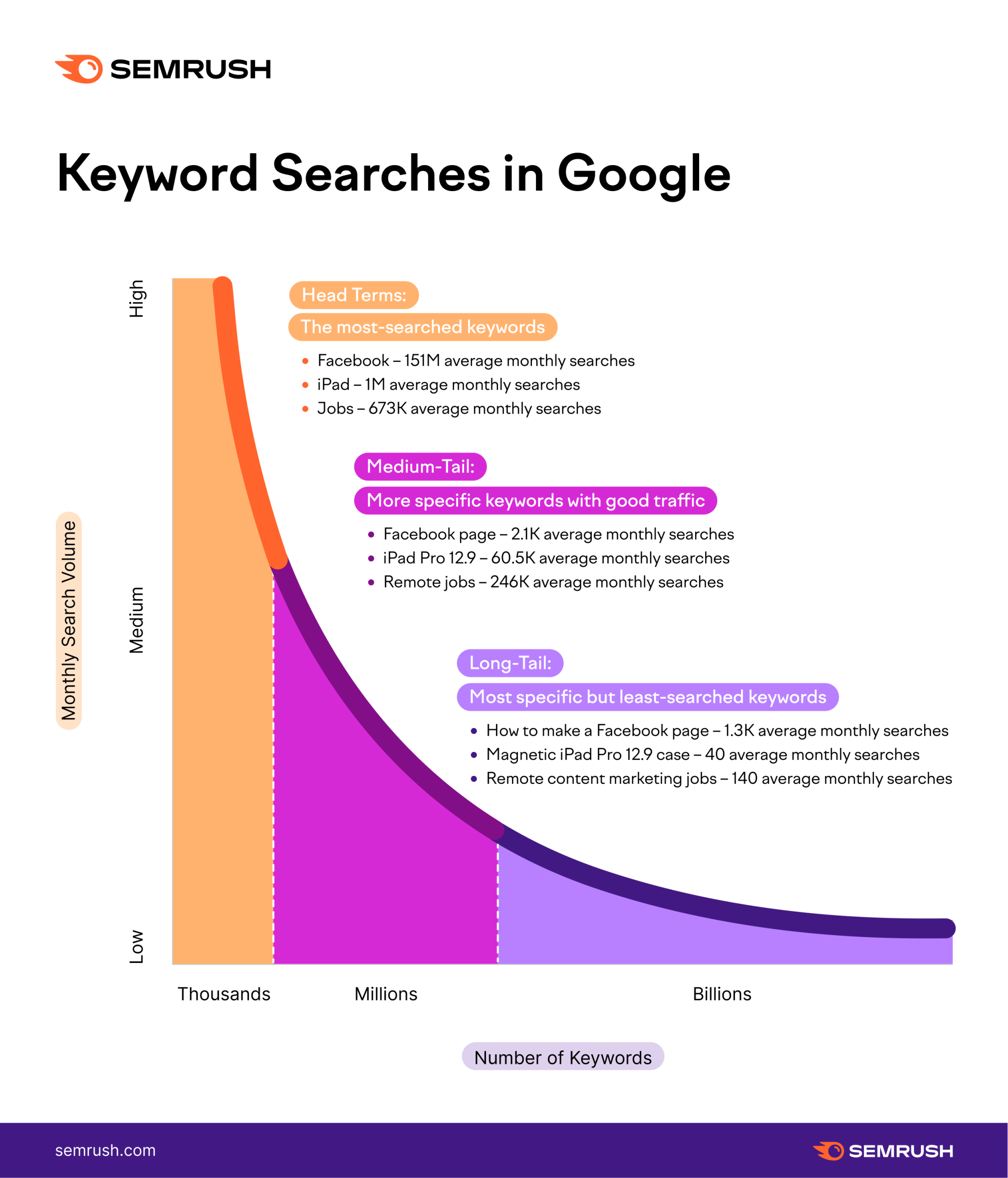
As you will find within the chart above, each and every individual long-tail keyword has a somewhat low search volume (especially in comparison to move terms.)
But in aggregate, they really make up the majority of all searches performed on Google.
Long-Tail Keyword Examples
Let’s quickly take a look at examples of words that don’t qualify as long-tail keywords.
Here are examples of very broad “head terms” that aren’t long-tail keywords:
- coffee filters
- iced coffee
- marketing agency
- marketing expert
See how these terms are short and no longer very specific? The ones are features that keywords that aren’t long-tail terms generally tend to have.
Here are some examples of targeted keywords that are long-tail keywords:
- homemade coffee filters
- make iced coffee at home
- content marketing for SaaS
- content marketing strategies for software
See how these keywords are long and highly specific? The ones are telltale signs of long-tail keywords.
Why Are Long-Tail Keywords Important?
Easier to Rank
Popular head terms tend to be very competitive. Because of this it may take years to rank for that keyword with search engine optimization (if you’re able to rank at all.)
as an example, the keyword “sushi” has 2.23 billion results:
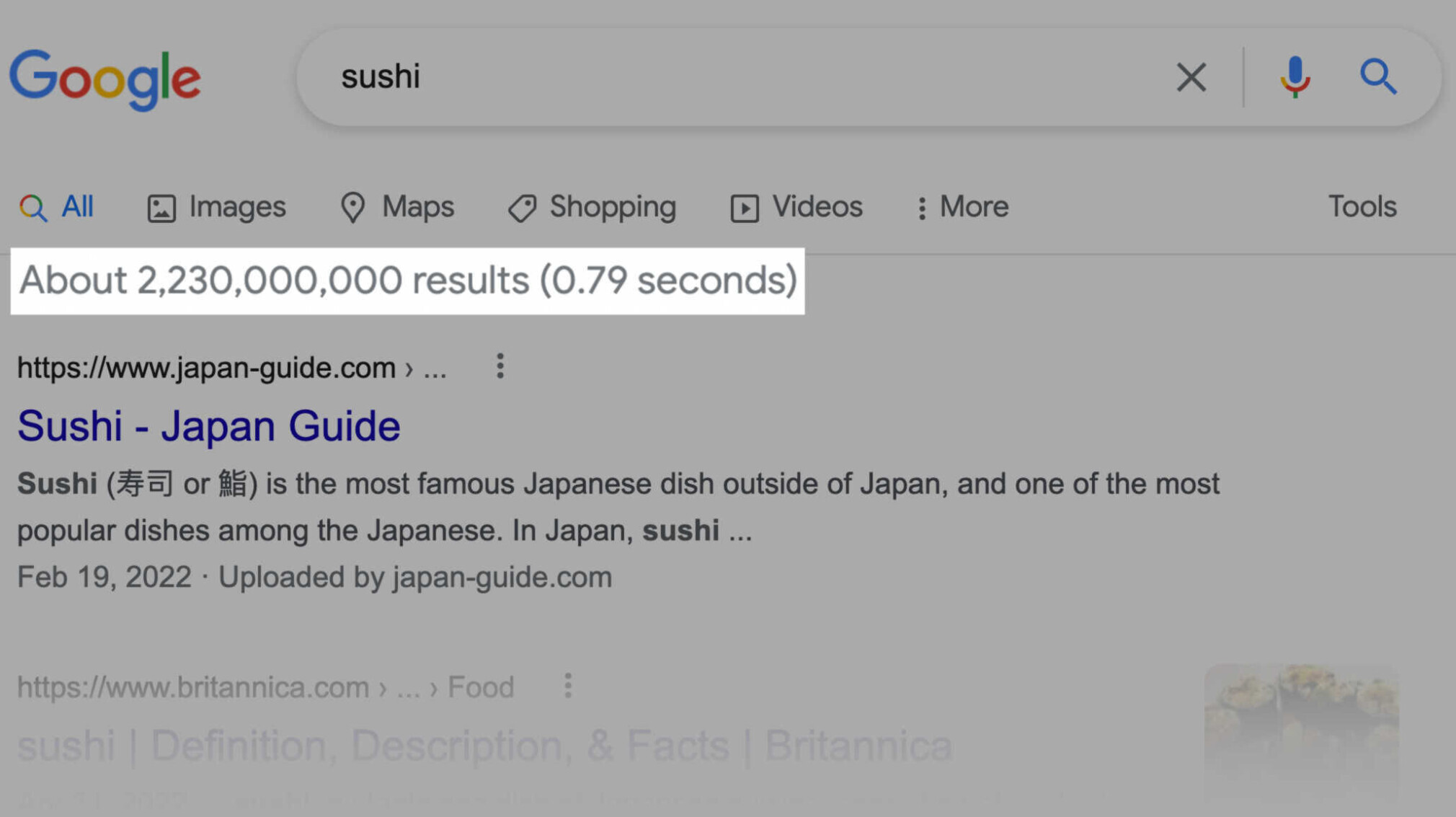
however the long-tail keyword “vegan sushi recipes” generates only 25 million search results:

That’s 98.88% fewer sites you’ll be competing with to rank on the primary page of Google.
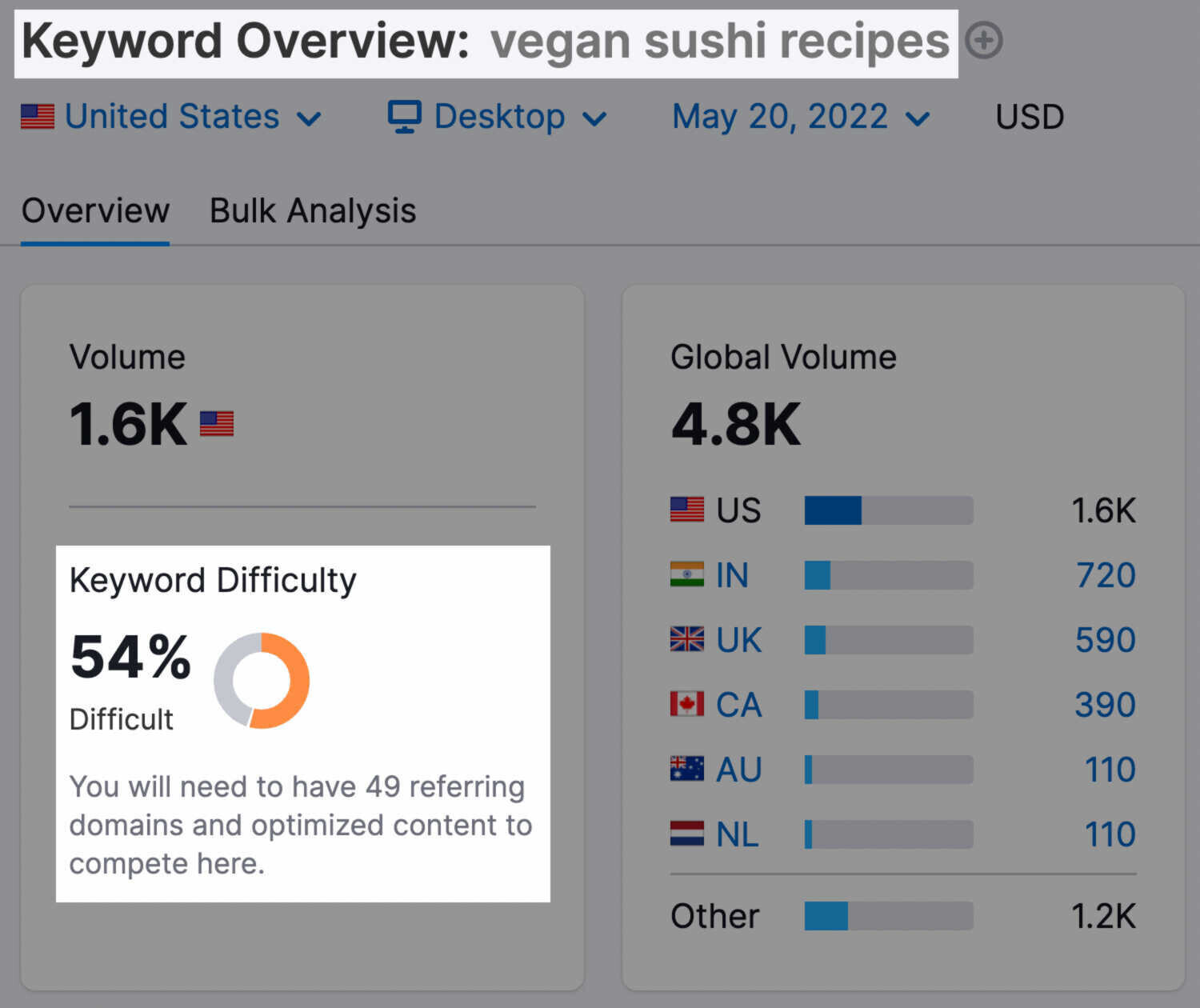
the same thing plays out for those who take a look at the Keyword Difficulty widget for each and every keyword in Semrush.
“Sushi” has a KD of 90%:
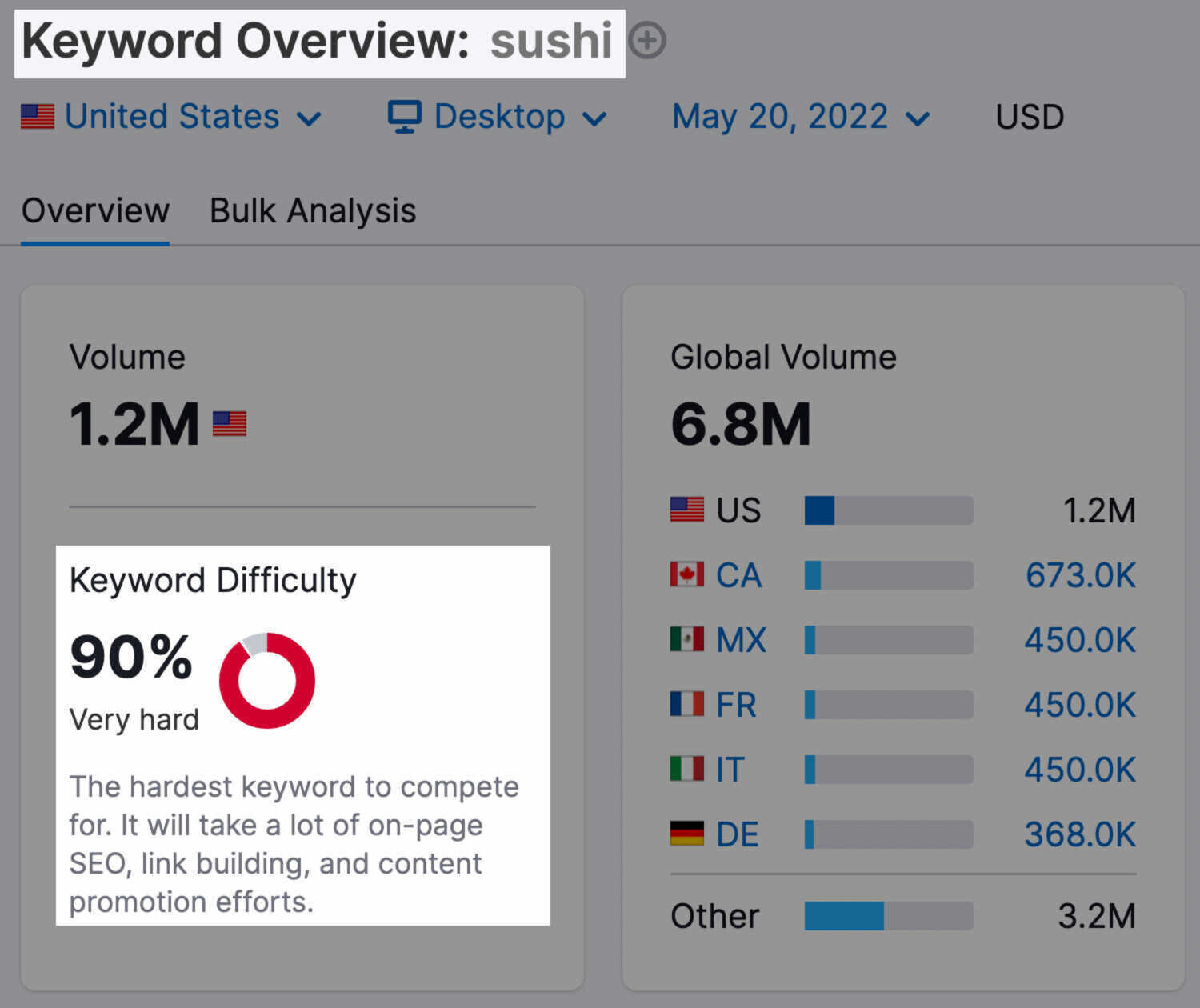
That’s pretty tough.
But “vegan sushi recipes” has a KD of only 54%:
Targeted Traffic
Since long-tail keywords have a tendency to be very specific, the individual the usage of that keyword in Google might be close to creating a purchase order.
as an example, take the keyword “SEO software:”
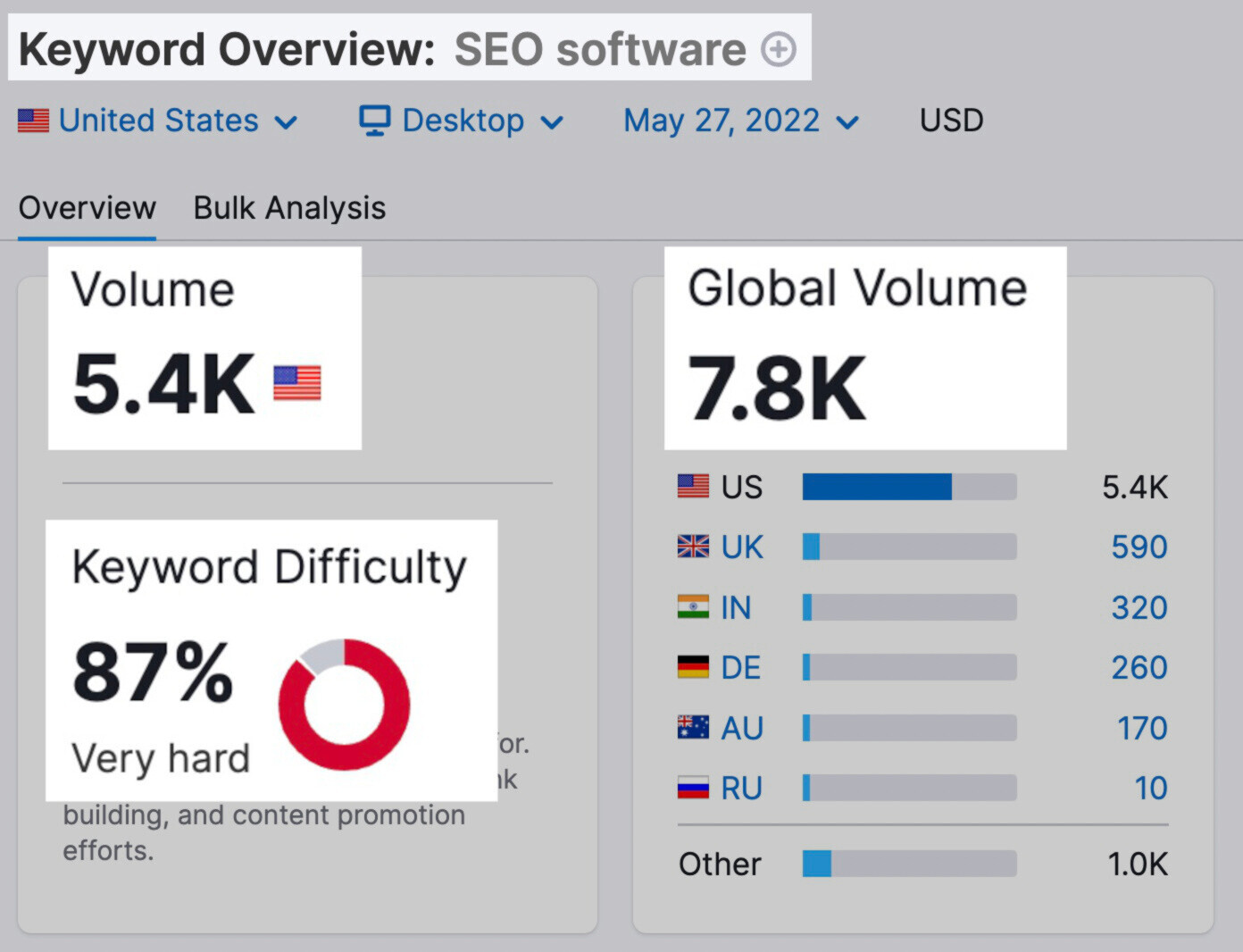
someone searching for that term is pretty close to making a buying decision. Despite the fact that they’re still shopping around for the most efficient software.
on the other hand, a keyword like “SEO” is super broad:
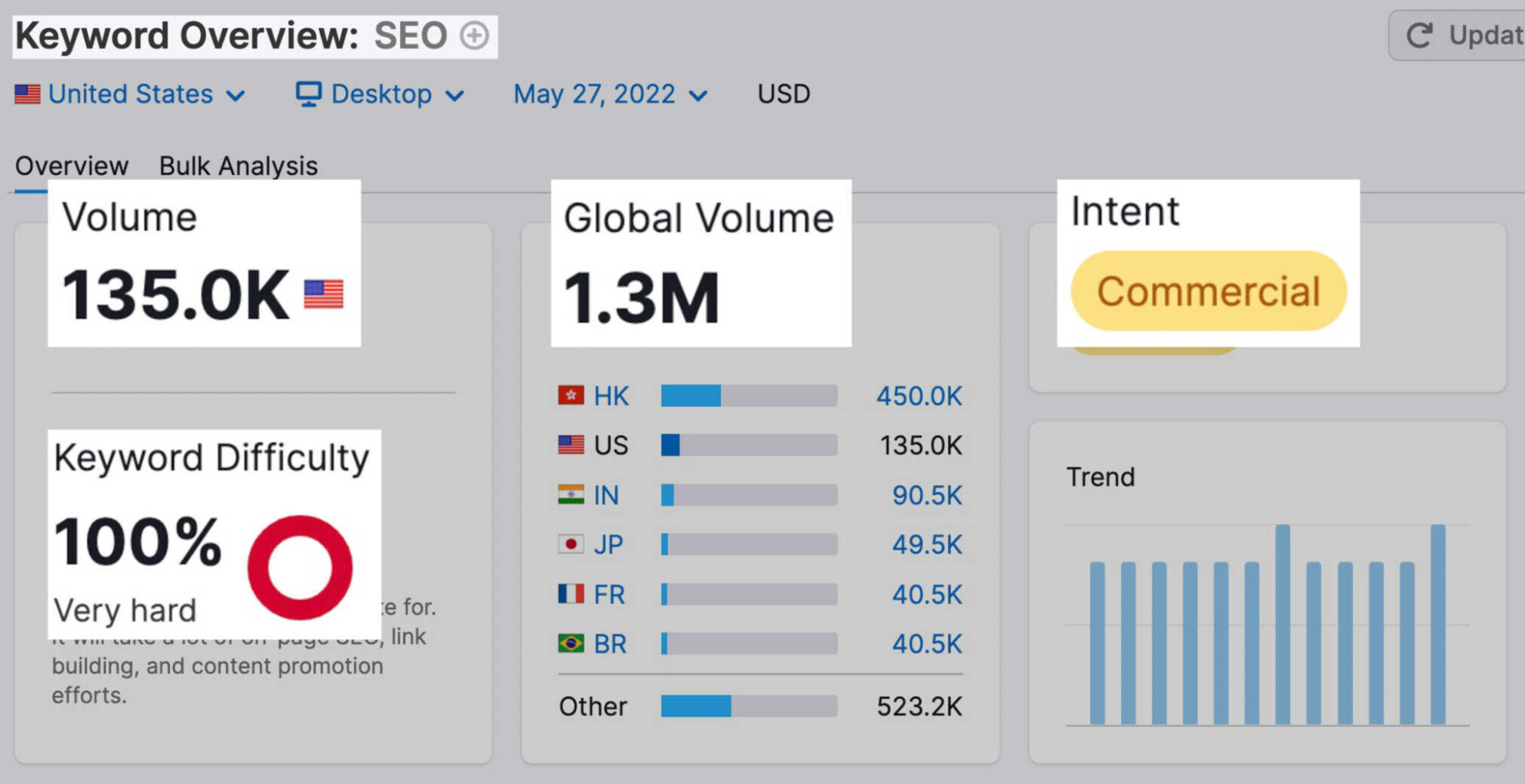
This searcher is likely doing some preliminary research about search engine optimization normally. They may be months away from searching for software to help with their search engine optimization strategy.
less expensive ppc Advertising
should you use Google Ads, long-tail keywords too can mean you can get more bang in your advertising buck.
Why? Many high-volume keywords have a high cost per click.
Plus, as we just pointed out, some of these broad keywords don’t even convert super well.
on the other hand, low-volume long-tail keywords are super targeted. Because of this they can have a higher conversion rate.
Plus, they can have a lower CPC. That’s a pay per click win-win!
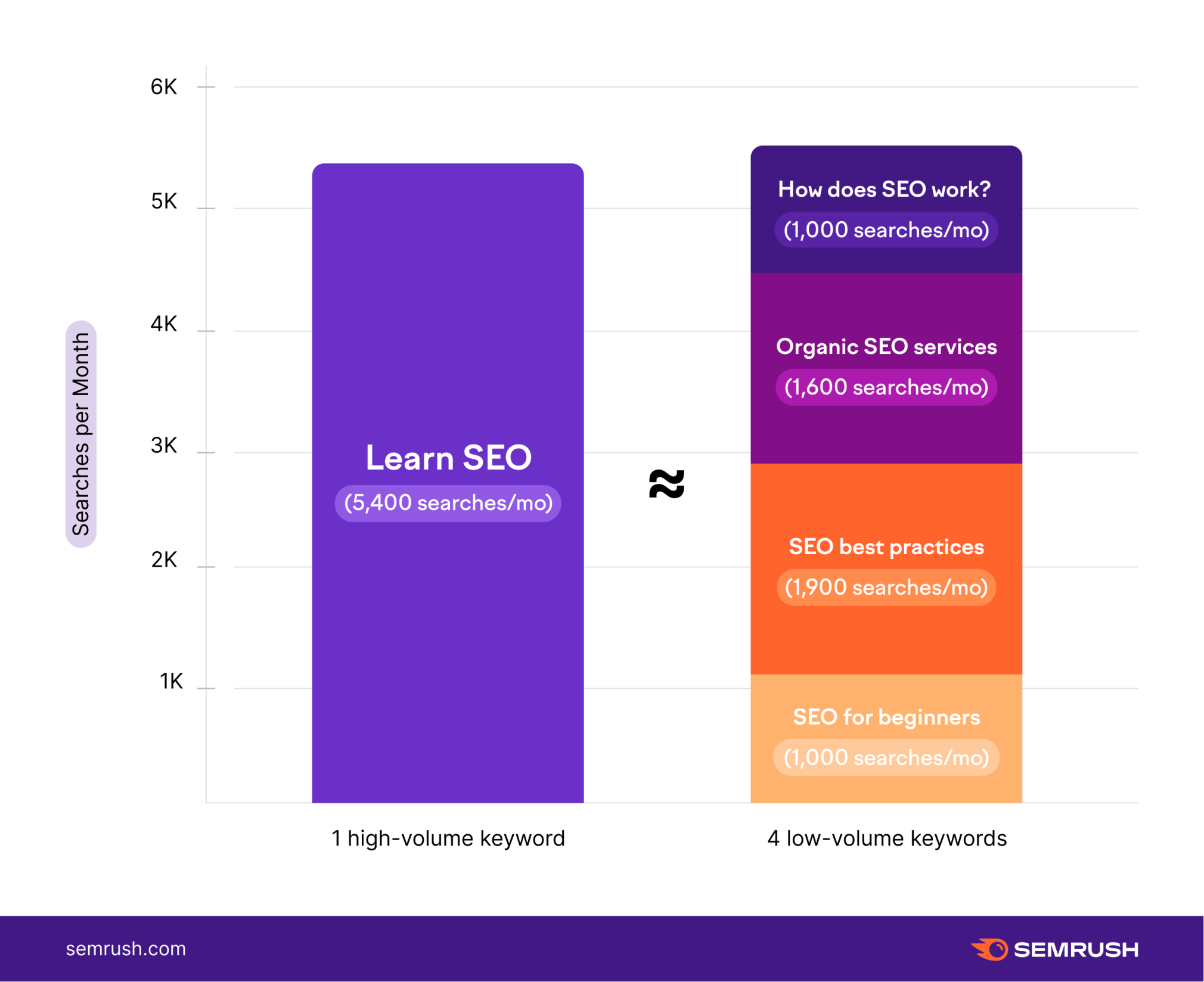
the primary downside of specializing in long-tail keywords is that it's a must to rank for several of them to equal the amount of traffic you’d get from a single head term.
how to define Long-Tail Keywords
Here are a couple of proven strategies for finding long-tail keywords on your site.
Google’s Autocomplete Feature
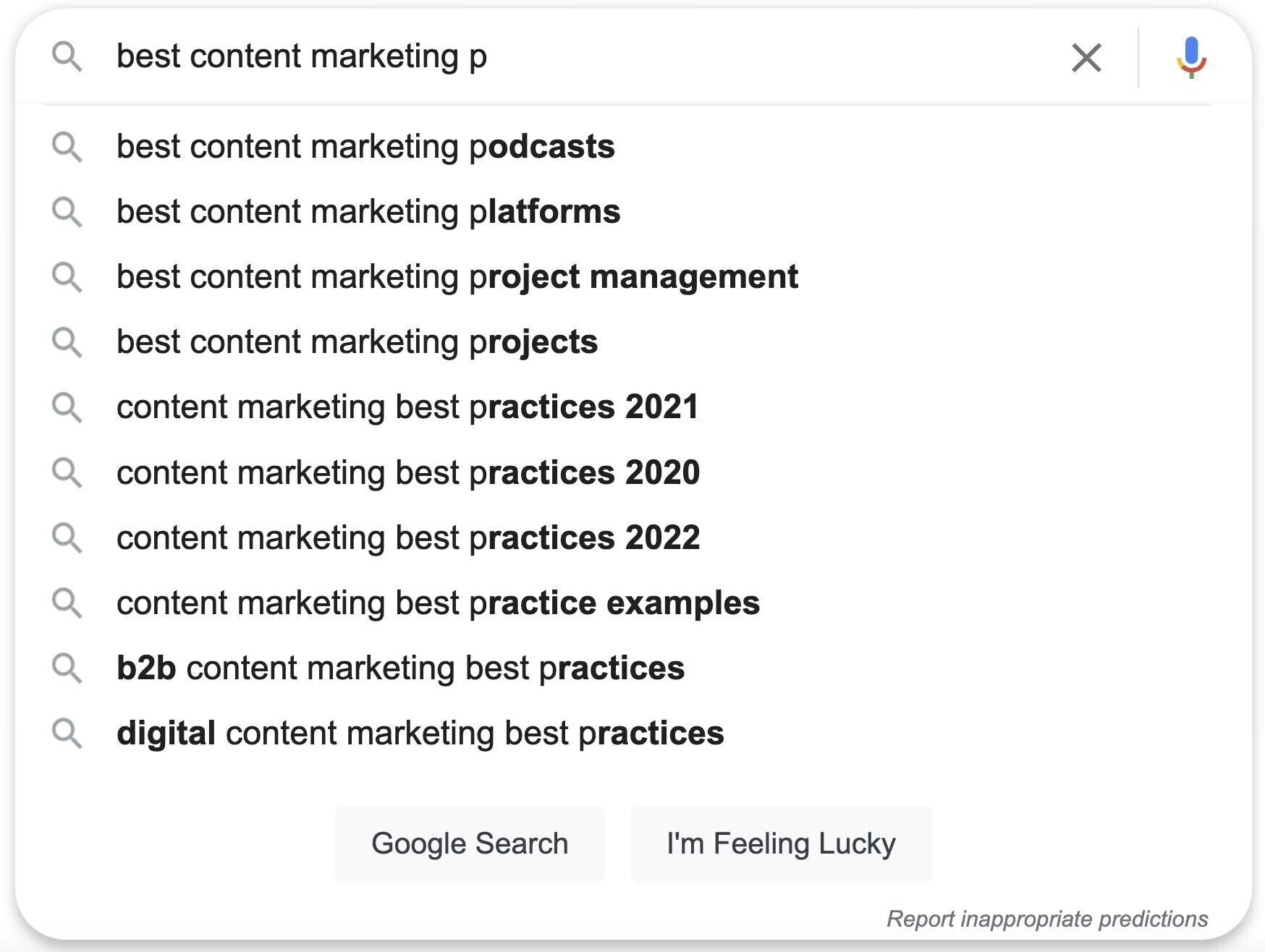
whilst you start typing into Google’s search box, it's going to show you a drop-down list of related terms that people search for:

you too can add a letter after your search term to see much more suggestions.
as an example, let’s say you’re on the lookout for long-tail keywords related to content marketing. You'll be able to type something like “best content marketing p” into the hunt box and get the following list of suggestions:
Google’s folks Also Ask (PAA) Feature
Google’s “People Also Ask” feature is a superb source of question-based keywords:
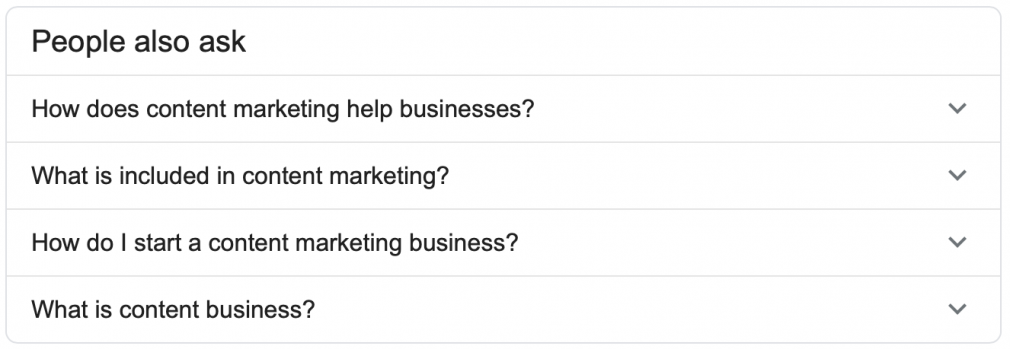
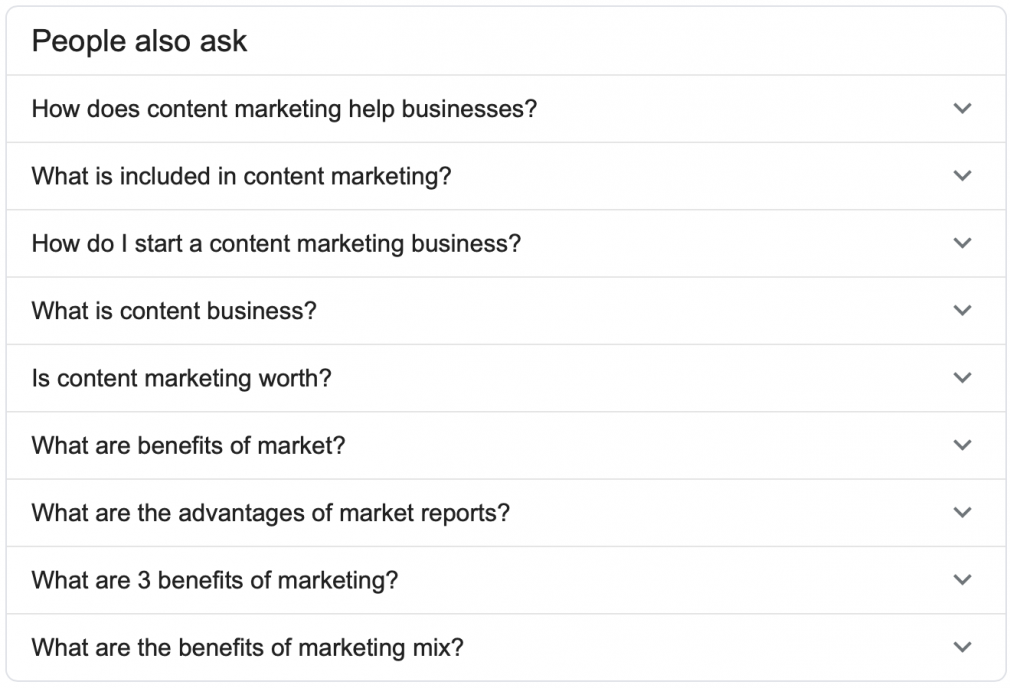
And whilst you click to expand on a question, Google generates much more related questions:
Semrush Keyword Magic Tool
The Keyword Magic Tool generates thousands of keywords in seconds.
Just enter a broad “seed keyword” into the tool:
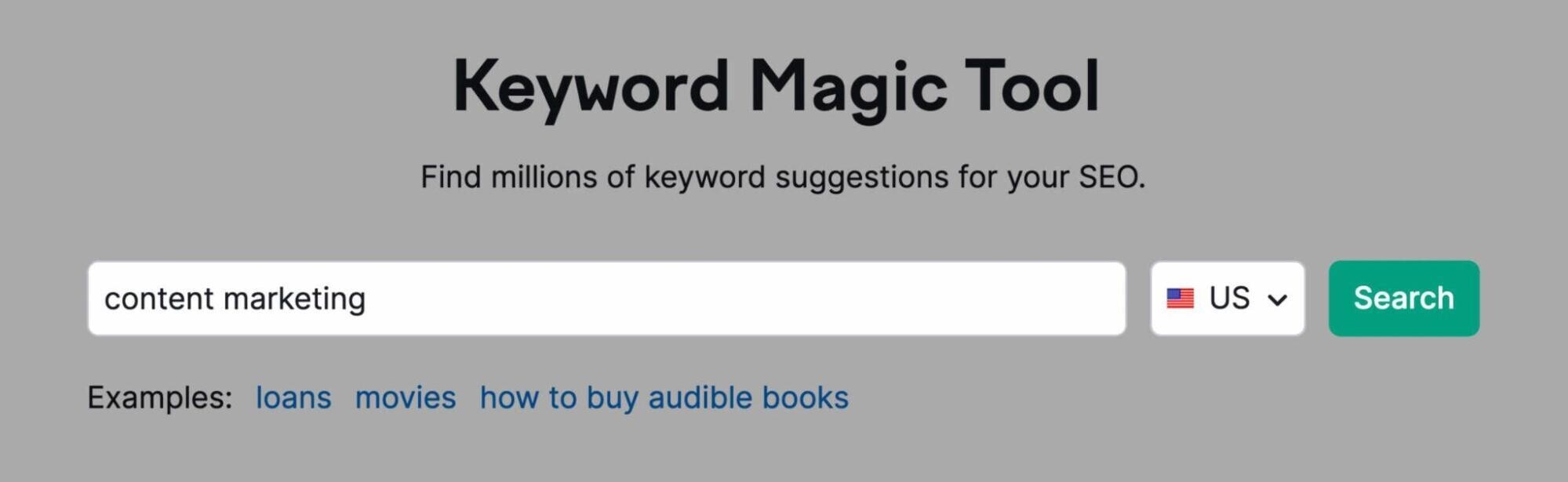
and it'll quickly find some long-tail versions of that keyword:

Google’s “Related Searches”
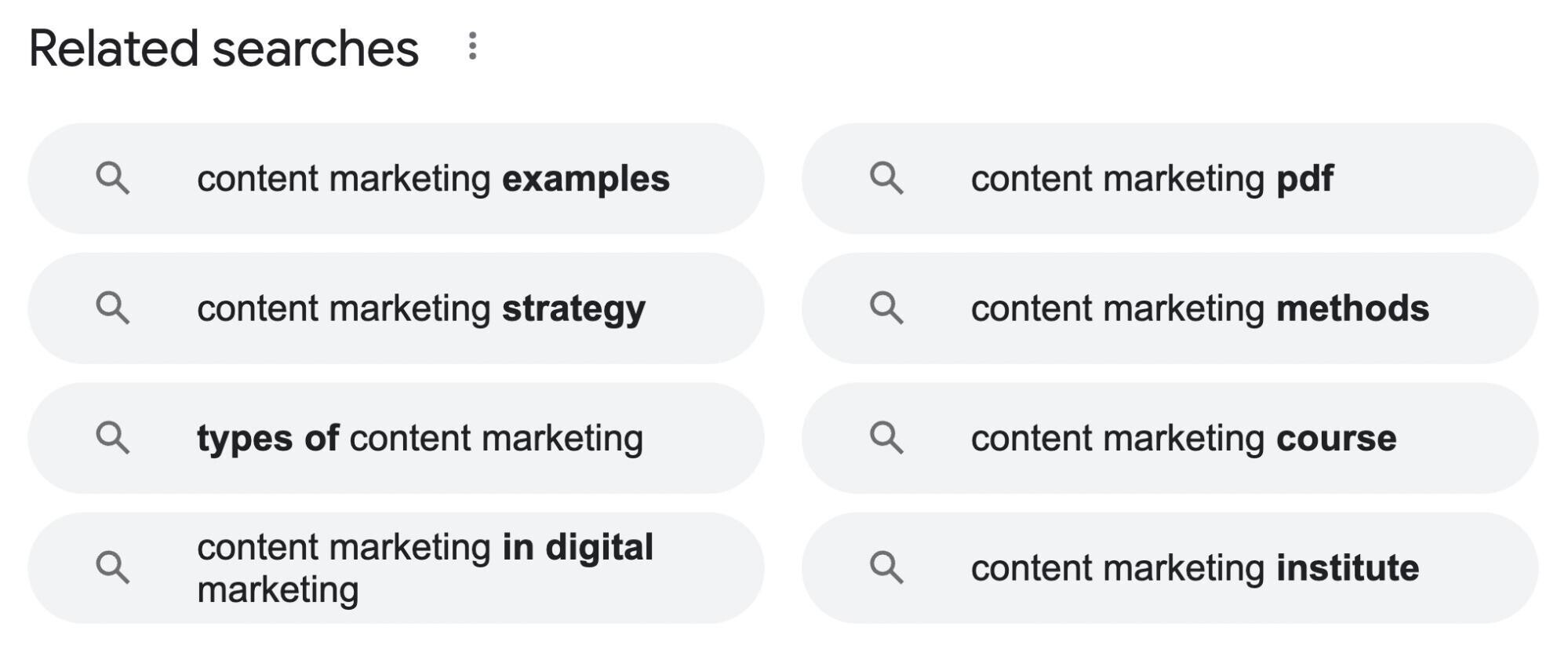
Google provides a list of eight keywords at the bottom of the first page of the quest results:
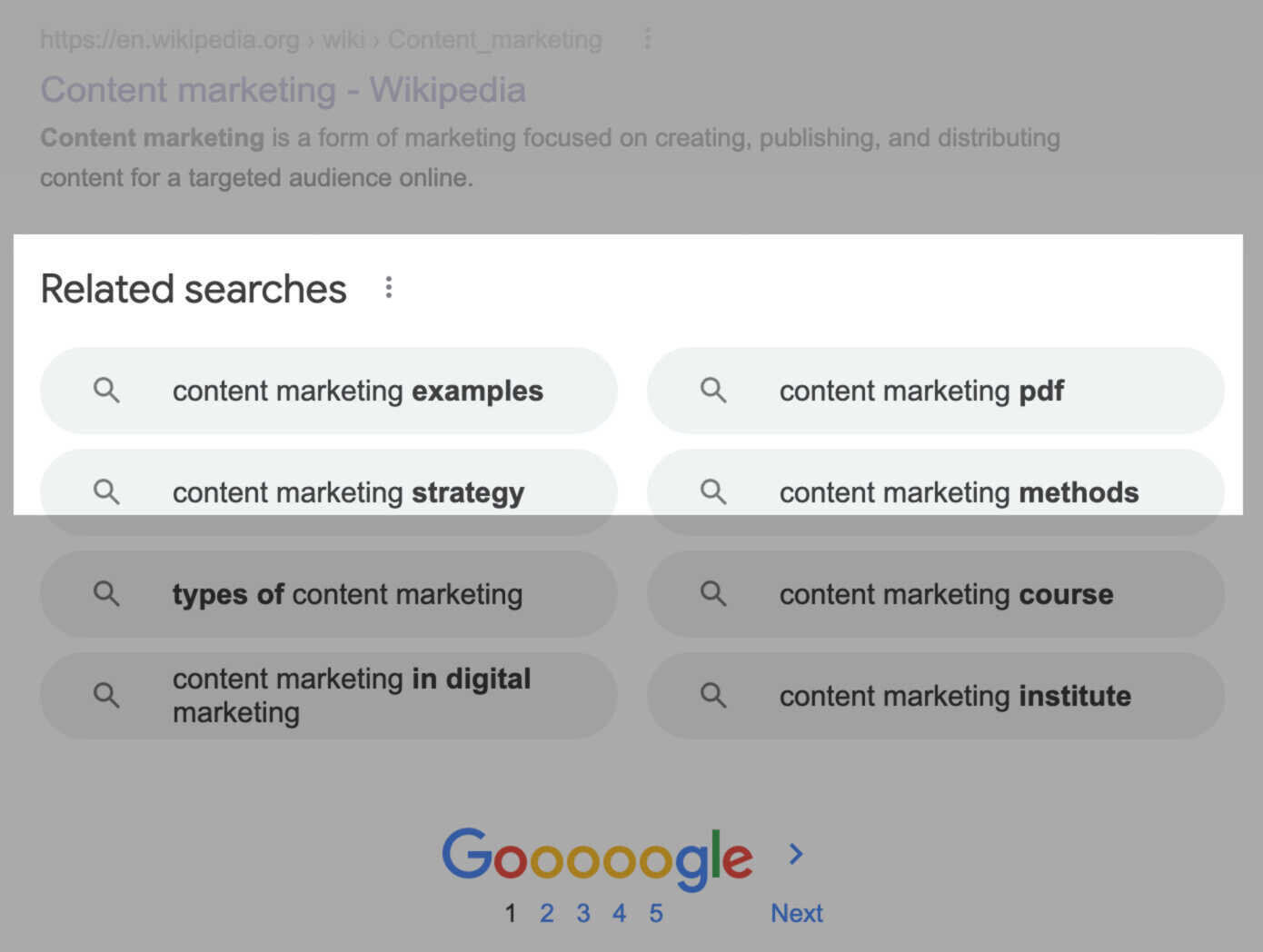
These are typically long-tail keywords closely related to the term you just searched for.
for instance, here are one of the vital long-tail keywords that Google provides for “content marketing:”
Use Your Unique Selling Proposition (USP)
An untapped strategy for finding long-tail keywords is identifying what makes your business unique.
That way, you will get your web page in front of individuals the use of long-tail keywords that describe the unique thing you offer.
for instance, let’s say that you simply sell human-grade, organic dog food.
Keywords like “human-grade organic dog food” and “human-grade dog food” would be highest for you.
Like most long-tail keywords, these keywords aren’t going to bring in a ton of traffic.
But they’re highly related to what you sell. Which means that traffic will likely convert.
to put this strategy into practice, ask yourself these questions:
- What makes your product or service unique?
- what kind of other people need what you might be offering?
- Why must they make a choice you over your competitors?
Semrush Topic Research Tool
The Topic Research Tool may help you find topics closely related to a keyword that you just type into it:

and lots of of those related keywords are excellent long-tail keywords.
whilst you click on a card, you’ll see recent headlines and questions related to your topic:
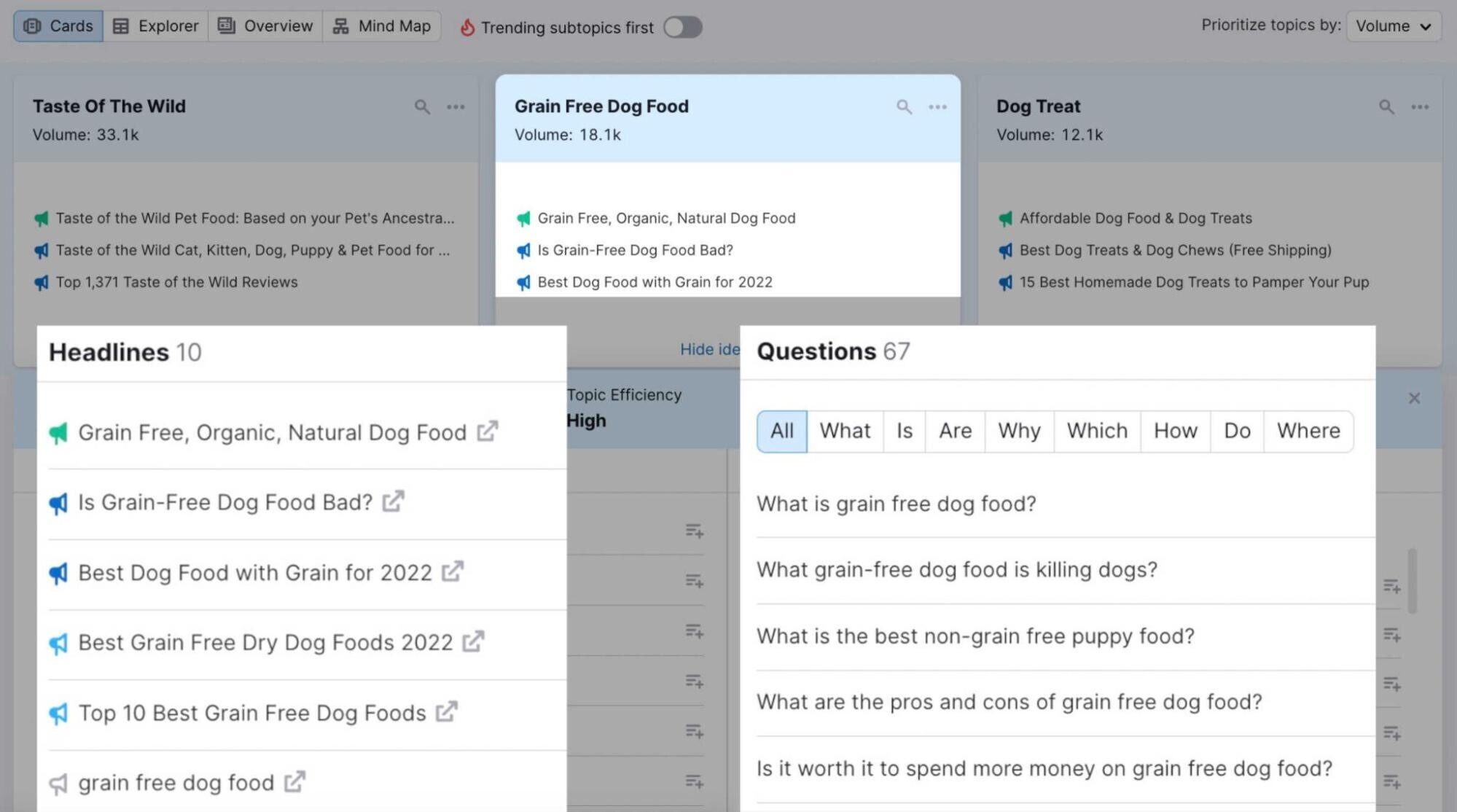
These questions mean you can find untapped long-tail keyword ideas that are ideal for blog content.
Social Media and Forums
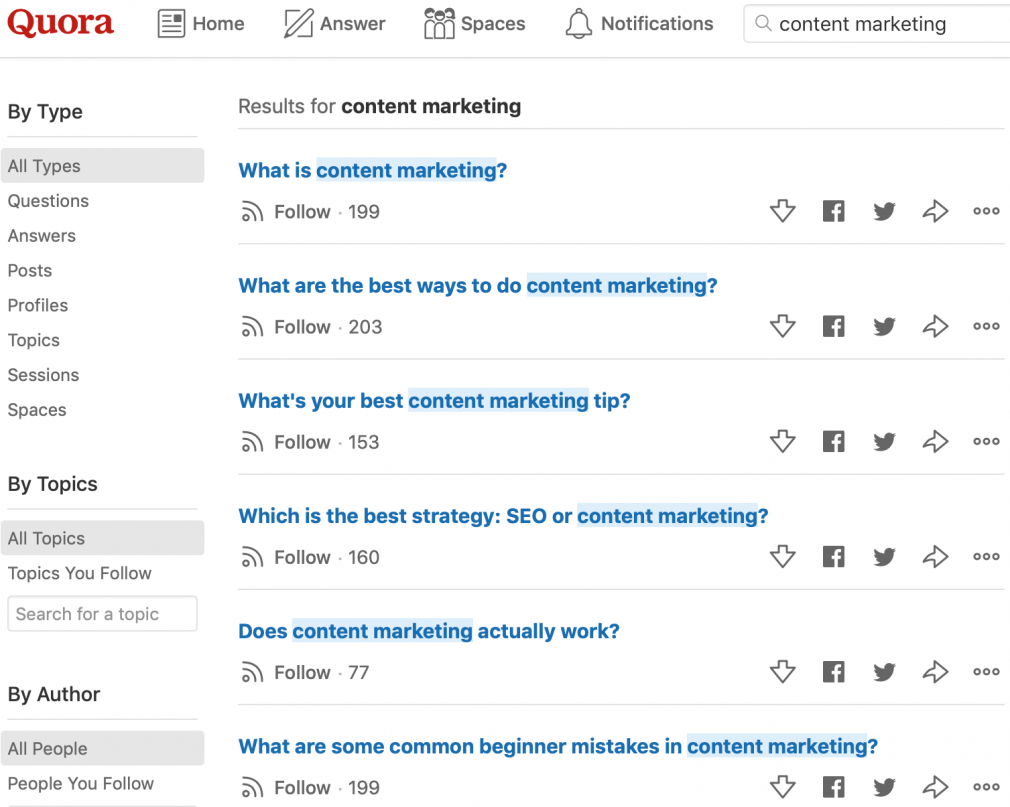
Message boards and forums like Reddit let you find problems other folks struggle with. You may help solve these problems together with your content.
for instance, we found a handful of solid topics by typing “content marketing” into Quora:
There are countless places to collect information from online forums, boards, or social media. Here are another helpful guides:
- how one can Use Quora For Content Marketing and Keyword Research
- the right way to Use Reddit for Keyword Research to Amp Up Your Content marketing strategy
- without equal Keyword Research Guide for SEO
Semrush Keyword Gap Tool
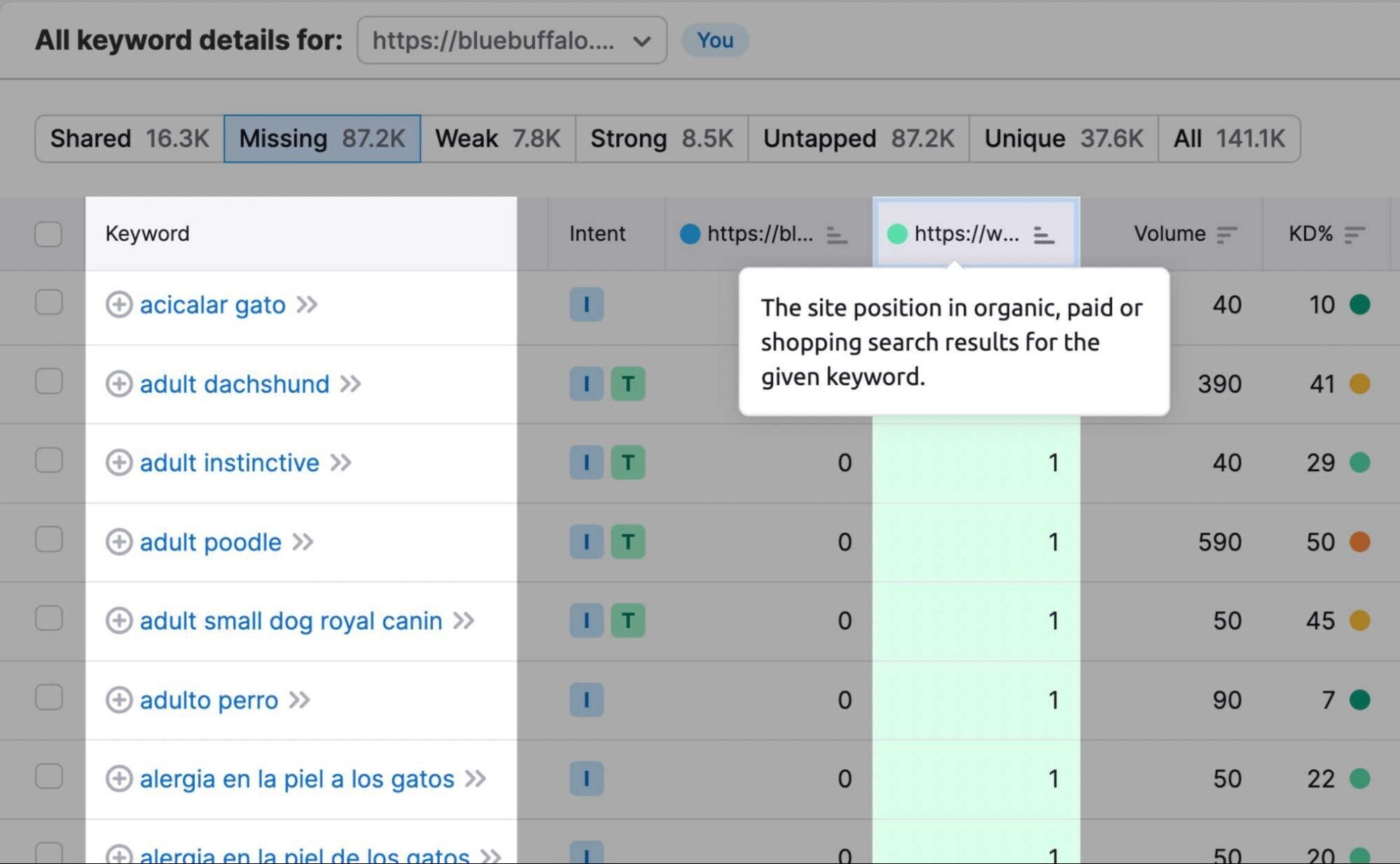
The Keyword Gap Tool in Semrush can reveal keywords that your competitors rank for… but you don’t.
to make use of it, add your domain and as much as four competitors:
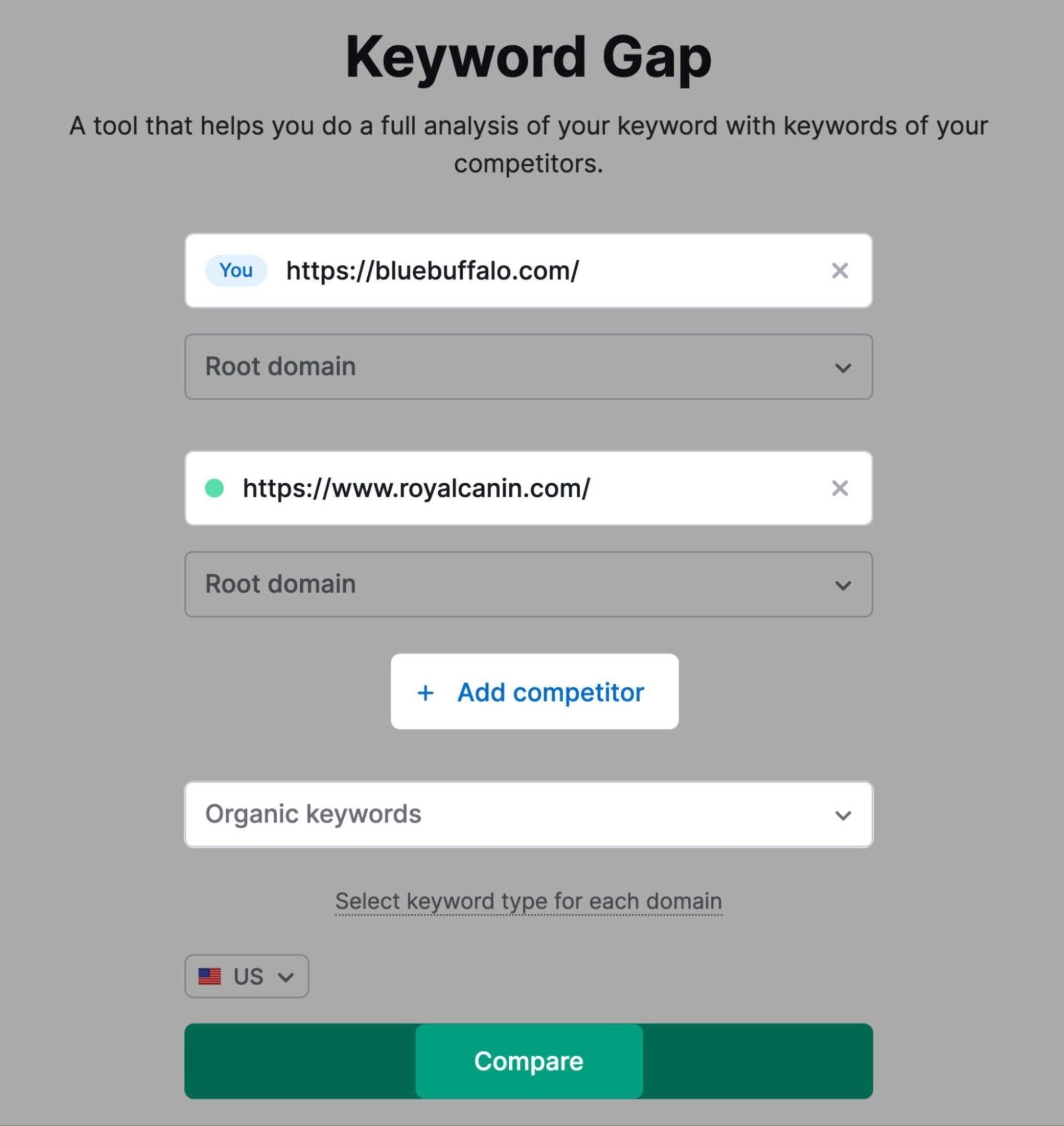
The tool will show you keywords that your competitors rank for, in conjunction with their SERP positions:
Google Ads Keyword Planner
The Google Keyword Planner is designed for ppc campaigns. That said, it’s still a helpful source of keyword ideas.
to make use of it, log in in your Google Ads account and head over to the Keyword Planner.
You’ll see two options: “Discover new keywords” and “Get search volume and forecasts:”
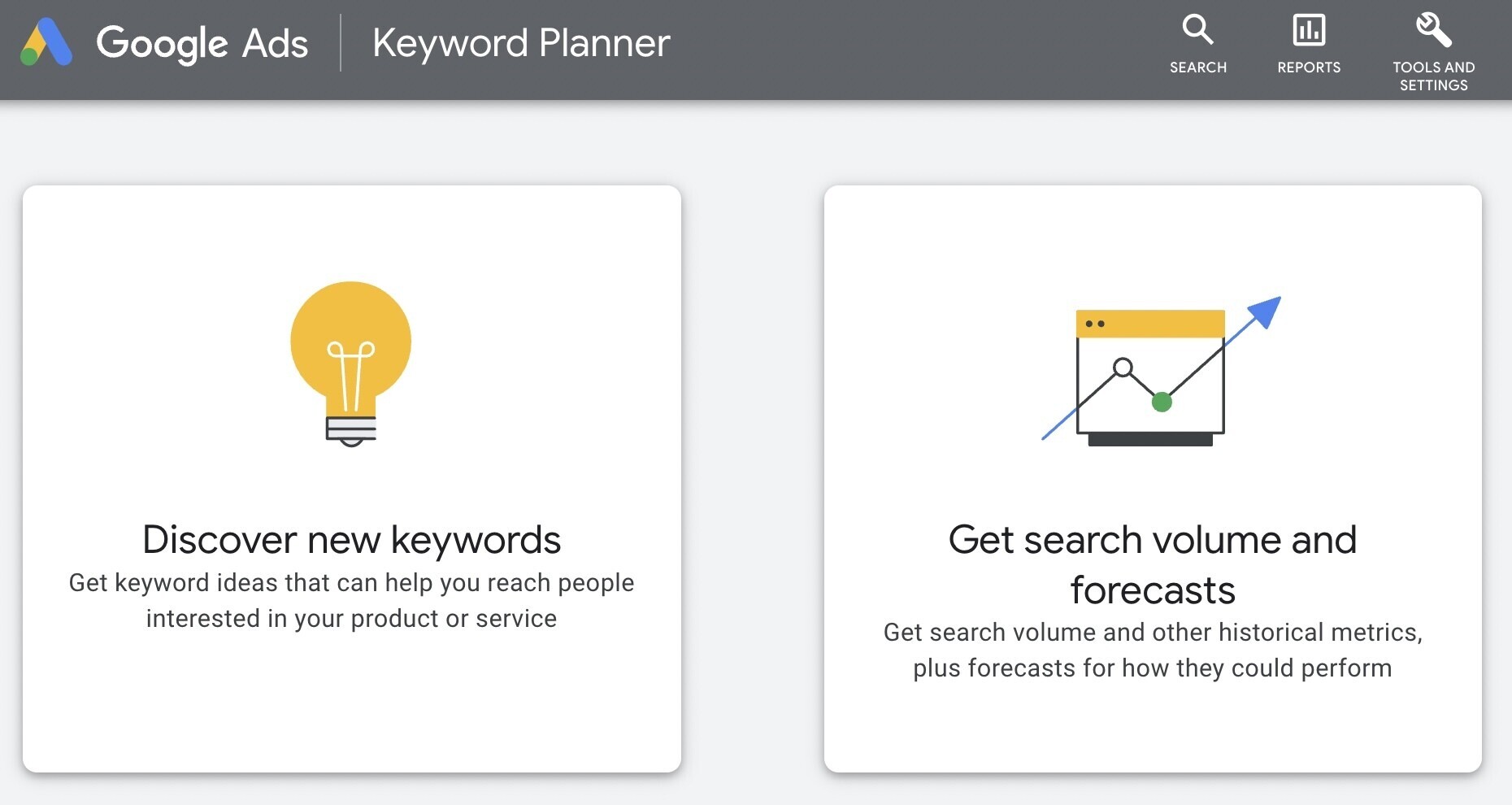
select “Discover new keywords:”
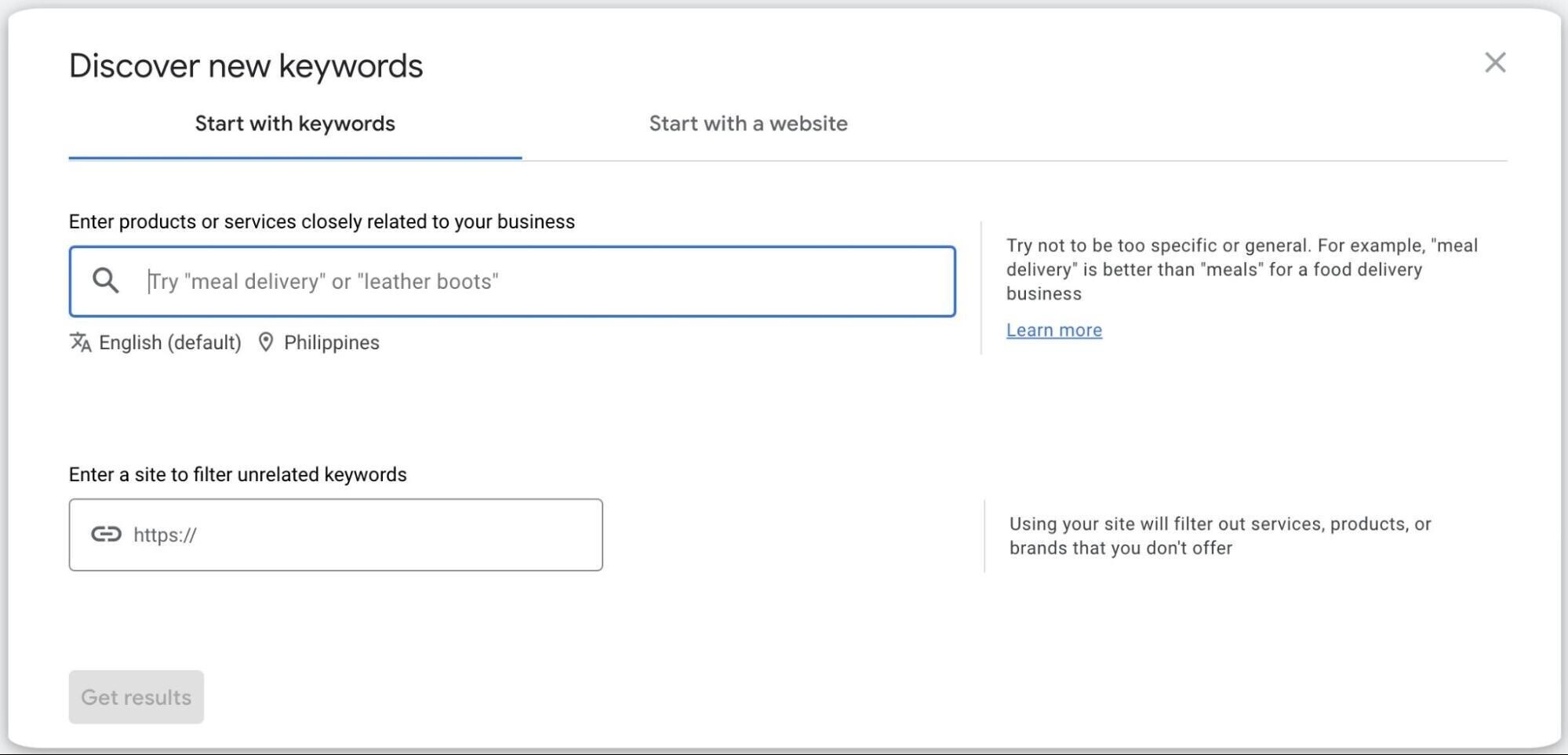
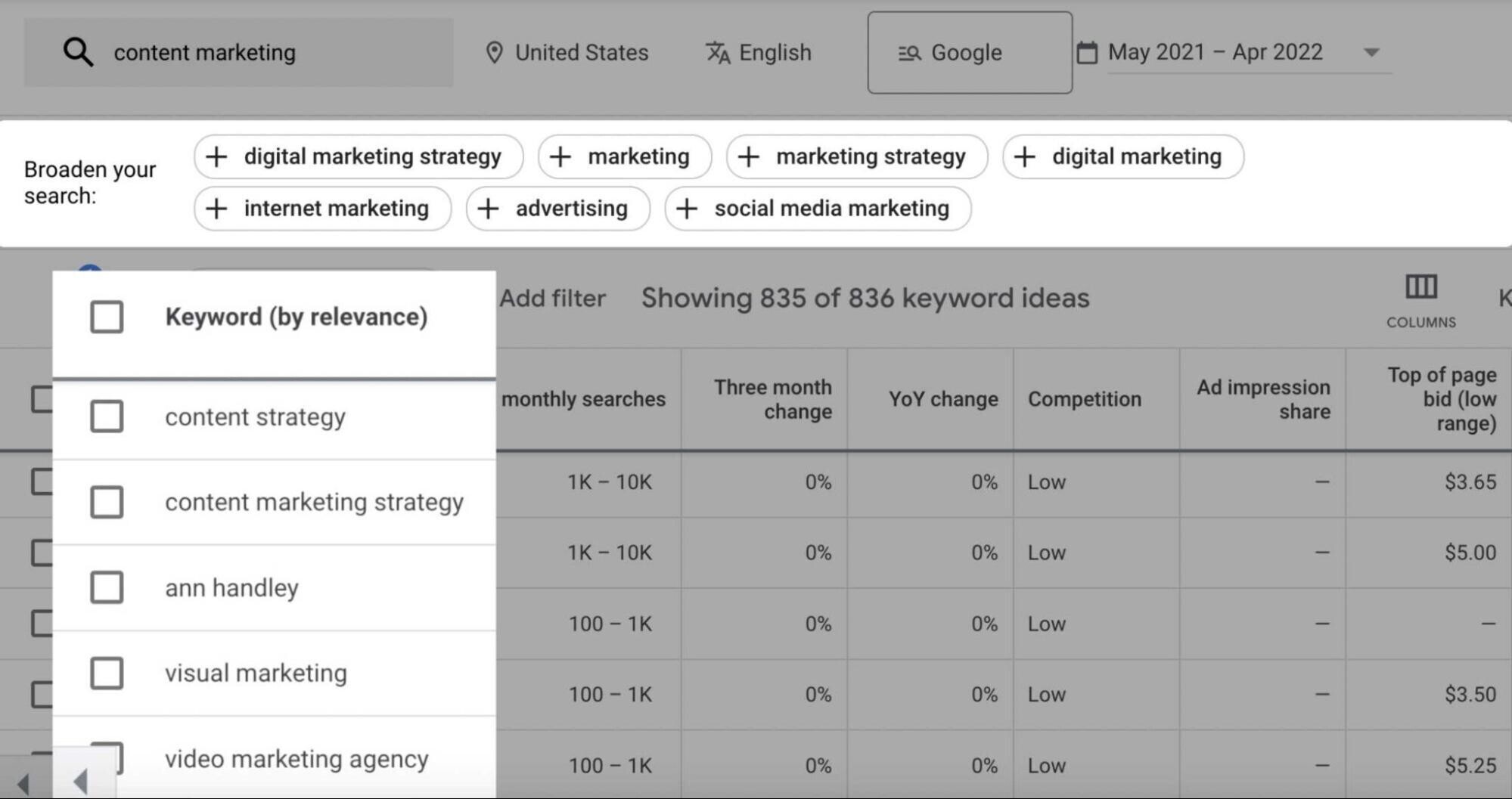
Then, enter a broad “seed keyword” into the field. Google will generate a bunch of related terms:
the use of Long-Tail Keywords Effectively
Finding long-tail keywords is only half the battle.
once you have chosen your keywords, you should use them accurately to your page. This guide to on-page search engine optimization shows you what you need to know about the use of keywords as it should be.
But as a quick primer, here are a few on-page search engine optimization tips that apply specifically to long-tail keywords:
Use Keywords Naturally
Long-tail keywords (like “best SEO tool for SaaS startups”) are sometimes long and clunky. So they’re no longer at all times easy to use naturally in a sentence.
you could have to get creative or adjust your keyword slightly.
Just be certain that you’re no longer forcing your keyword for your page. Readability and usability always come first.
Place Your Keywords Strategically
Include your long-tail keyword for your page’s title, headers, and subheaders if you'll. Use it to your first paragraph, too—preferably to your first sentence.
consider a User’s Search Intent
Adding your keyword on your page isn’t enough. For your page to rank high in Google, your content needs to compare that keyword’s search intent.
Semrush’s Search Intent feature makes it easy to search out a keyword’s search intent.
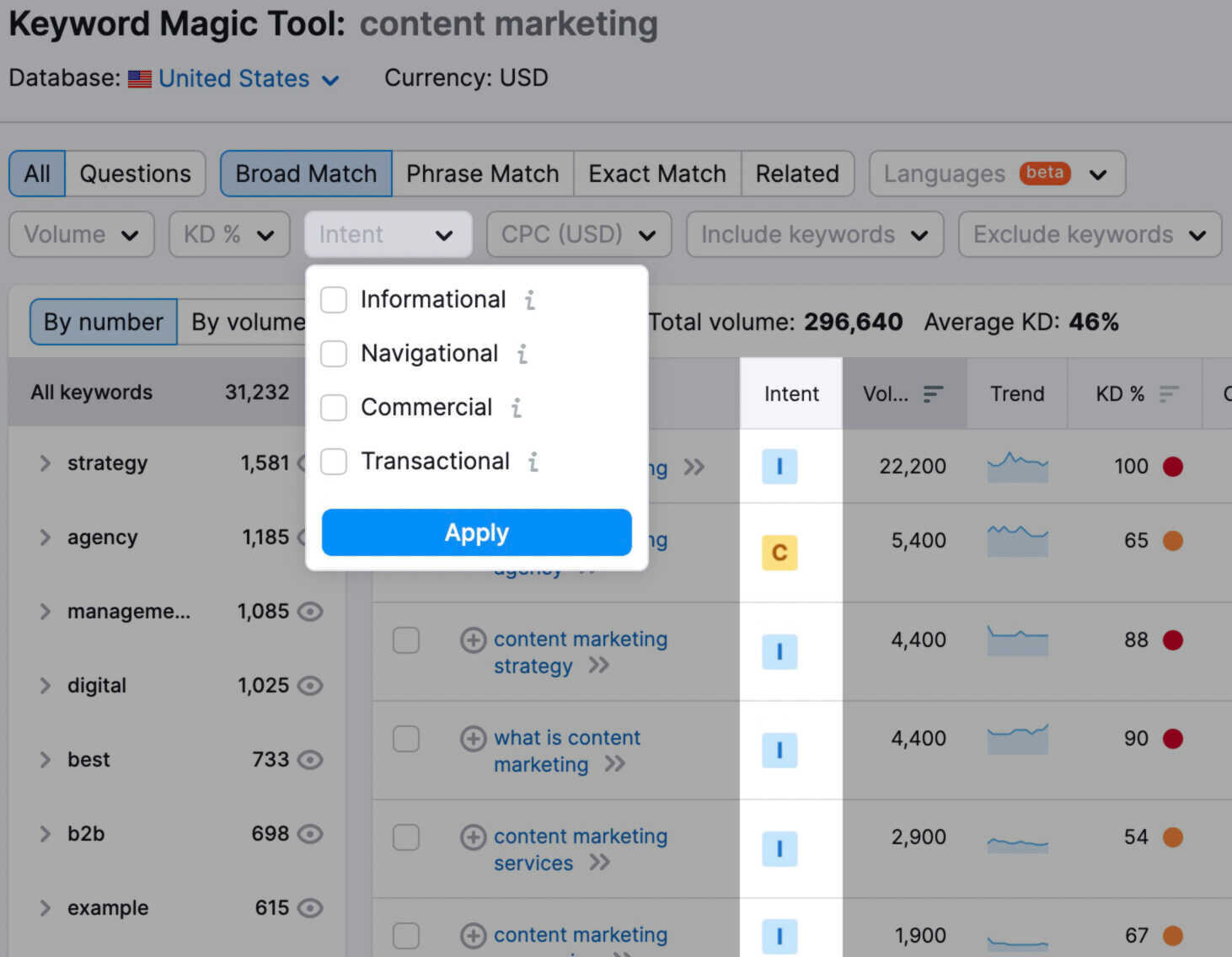
That way, you'll create content that provides your reader exactly what they’re searching for.
Conclusion
Keyword research remains the foundation of any successful search engine optimization campaign. And long-tail keywords are perfect for new sites (or sites that don’t have a ton of authority yet).
If you’ve been struggling to rank to your target terms, it can be because the ones keywords were too competitive. And it could be time to change your focal point to long-tail keywords as an alternative.

0 Comments